
Keeping an aeroponics system in top shape is really important for healthy plants and bountiful harvests. Aeroponics might look hightech, but with the right tips and regular upkeep, anyone can keep their system running smoothly and avoid common headaches like clogged sprayers, root rot, or nutrient issues.
I’ve spent quite a bit of time tinkering with different aeroponics setups, and I’ve learned that routine checks and a few good habits go a long way. Whether you’re a beginner at aeroponics or have been growing for a while and just want to get better results, these maintenance tips will help your plants stay strong and your system hasslefree.
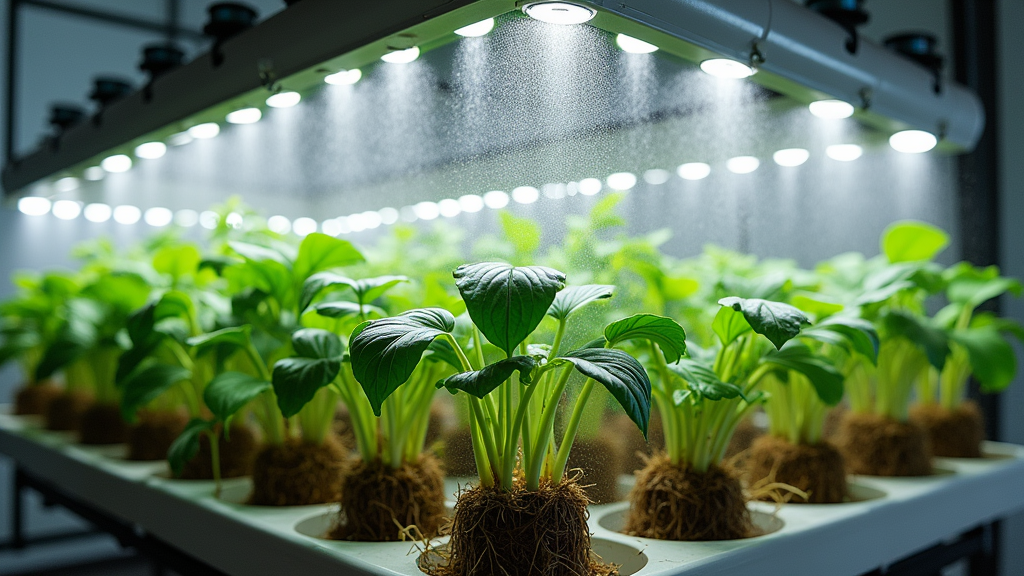
Know Your Aeroponics System’s Key Parts
Before jumping into maintenance, it helps to get familiar with your setup. Most aeroponic systems have a few main pieces: a reservoir (this holds the nutrient mix), pumps for circulating and spraying, misting nozzles, tubing, timers, and the plant holders or baskets. Each part needs attention, so it’s key not to focus only on the roots themselves.
Basic Aeroponics Components:
- Reservoir (nutrient water tank)
- Water pump (pushes water through tubing and nozzles)
- Misting/spray nozzles
- Root chamber or tub (where roots hang)
- Air pump (optional, for extra oxygen)
- Tubing and hoses
- Plant baskets or collars
- Timer/control unit
Knowing how these fit together makes troubleshooting simpler when issues pop up. Each aeroponics system design might have its quirks, but these are the backbone of most builds.
Keep It Clean to Avoid Problems
Dirt, algae, and mineral buildup are common headaches for aeroponics growers. Staying ahead of mess means plants get enough nutrients and the system doesn’t fail when you need it most.
Cleaning Routine to Follow:
- Weekly: Wipe down the root chamber, lid, and visible tubing. Remove any loose roots or plant debris before it clogs something up.
- Every 2–3 Weeks: Flush the entire system. Run clean (ideally distilled) water through the pumps and nozzles for 15–30 minutes.
- Monthly or Between Crops: Disassemble and deep clean all parts. Use a gentle scrub brush, soak removable pieces in a diluted hydrogen peroxide solution, and rinse thoroughly with clean water.
Extra Tips:
- Never use harsh soap or chemicals that can leave residue.
- Avoid letting water stand too long, as stagnant water grows algae fast.
Regular cleaning keeps pathogens out and helps your system work just as intended. If you get into the habit of wiping down surfaces often, it’s much easier to control algae and clogs before they sabotage your results. Cleanliness becomes more important as plants mature and shed more roots, so don’t slack as your grow advances.
Prevent Clogged Nozzles and Grow Healthy Roots
Spray nozzles are the core of an aeroponic system. Blocked nozzles can quickly dry out roots or deprive them of nutrients. I’ve found that nozzles usually end up as the first problem spot if you let gunk build up or miss routine cleaning.
How to Prevent Clogs:
- Use prefilters or mesh screens on your pump intake to keep bits out of the tubing.
- Rinse reusable nozzles every week with warm water, or swap them with a backup set for easier deep cleaning.
- If you notice a drop in mist output or hear weird sounds, check nozzles for mineral buildup as soon as possible.
- Use filtered water, or at least avoid hard tap water, to slow down mineral scale.
Bigger root masses may block the mist or cause uneven spray. Trim away dead roots and make sure each plant has enough room to allow the spray to reach all root areas. Scrutiny here pays off in the form of faster, healthier growth.
Monitor Water, Nutrients, and pH
Aeroponic plants get all their needs met from misted water. With no soil to buffer sudden changes, small problems can grow quickly. That’s why I always keep an eye on water level, nutrient strength, and pH.
Easy Monitoring Steps:
- Check Water Level Daily: Topping off the reservoir prevents the pump from running dry and ensures roots stay hydrated. Low water can burn out your equipment fast.
- Test pH Regularly: Aeroponics thrives when pH stays between 5.5 and 6.5. Cheap digital meters or even simple test drops work great for this. Record pH results if you want to get a feel for what your nutrients are doing over time.
- Keep Nutrients Balanced: Always follow the instructions on your nutrient product. Start light if you’re growing young seedlings or new plants, and increase slowly as roots develop. Flush the reservoir and change the nutrient solution every 1–2 weeks to avoid salt buildup and nutrient lockout.
- Look for Problems: If leaves start yellowing, tips look burnt, or growth slows down, it’s usually time for a flush or a tweak in your feeding schedule. Plants will send early signals before a real emergency develops.
Check Pumps and Timers. They’re the Backbone
Without a reliable pump or timer, an aeroponic system can dry out roots pretty fast. I recommend physically checking that water is actually spraying every day, just to be sure everything’s working the way it should.
Quick Checks:
- Listen for pump noise; dead silence or weird rattling means there’s an issue to sort out.
- Test your timer cycles and make sure your misting schedule is right for your plants’ needs. Most aeroponic setups use short sprays every few minutes, so confirm the timing is consistent.
- Keep an extra pump and timer around as a backup if you’re growing valuable or rare crop varieties. It only takes one failure to lose a whole batch.
Frequent, hands-on inspection can help you catch equipment issues early. Pumps may show early warning signs before failing, such as strange noises, weak output, or tripping breakers.
Control Temperature, Light, and Airflow
Aeroponics roots love moisture, but too much heat or light can stress plants or encourage pathogens. Checking the root area and the nutrient reservoir temperature can really make a difference.
- Aim for reservoir temperatures around 65–70°F (18–21°C). If it’s warmer, consider adding a chiller, some frozen water bottles, or moving the reservoir out of direct light.
- Roots should always get plenty of oxygen, so don’t let them sit in puddles. Keep drainage open and airflow steady.
- If you’re using grow lights, focus those on leafy growth. Try to shade root areas so they stay cool.
Setting up small fans to keep air moving near the system can really help. Good airflow reduces condensation, lowers the risk of mold, and keeps roots in a healthy sweet spot with fewer pathogens present.
Handle Common Aeroponics Issues
What to Do If You Spot Algae or Mold
- Darken the root area or wrap your reservoir and tubing to cut out excess light.
- Clean affected spots with hydrogen peroxide, rinse well, and dry before restarting your system.
If Roots Dry Out or Brown
- Check the pump and nozzles right away, since missed spray cycles can kill roots quickly.
- Adjust timer settings to mist more often if your space is particularly hot or dry.
If Leaves Turn Yellow or Growth Slows
- Flush your system and replenish with fresh nutrient solution to reset the balance.
- Test and adjust pH and cut back on nutrients if you spot burnt tips on the leaves.
Some problems may look similar, but checking these basics usually helps you zero in on what’s happening. Don’t wait too long to act when something is off—plants can bounce back fast if you catch problems early.
Daily and Weekly Maintenance Checklist
- Check water level and top up as needed
- Look at spray output to ensure mist is even and all roots are covered
- Watch for wilting or discolored leaves
- Test pH and adjust as needed
- Clear fallen leaves or root bits from the root chamber
- Wipe down exposed surfaces to prevent mold
- Listen for normal pump/timer sounds and watch for signs of mechanical failure
Following a simple maintenance routine can make aeroponics a lot less stressful, even for busy growers. If you fit this into your schedule just like you would water traditional plants, you’ll set the stage for big results and fewer mishaps.
Handy Products for Aeroponics System Upkeep
- Mesh pump filters and inline strainers
- pH meters and handheld EC (electrical conductivity) testers
- Extra misters and replacement hoses
- Dilute hydrogen peroxide or food grade cleaning solutions
- Backup pump and digital timers
These tools are useful for troubleshooting and keeping things spotless, so keep a small supply kit in reach of your setup. If you want to experiment and push your aeroponics to the next level, consider adding an air pump for more oxygen, or a smart timer to personalize your mist cycles.
Wrapping Up
Aeroponics gives you amazing plant growth and uses less water than traditional soil gardening or even hydroponics. That said, it rewards growers who stay on top of maintenance. By checking water and nutrient quality, cleaning nozzles and pumps, and paying attention to early signs of trouble, you set up your plants for fast, healthy growth—no matter the season.
- Clean up your system on a weekly basis and flush the system regularly
- Test pH and nutrients using a regular schedule for consistent results
- Watch your plants closely; they show early warnings long before serious problems develop
With these habits in place, you’ll get the best out of your aeroponics system and save yourself a lot of time fixing avoidable issues down the road. Eye-catching, thriving plants are within reach if you stick to these simple maintenance practices! Even with the most hightech or DIY setup, paying attention to details and routine upkeep will always pay off in bigger, better harvests.